 EN
EN  PT
PT  ES
ES  ZH
ZH 
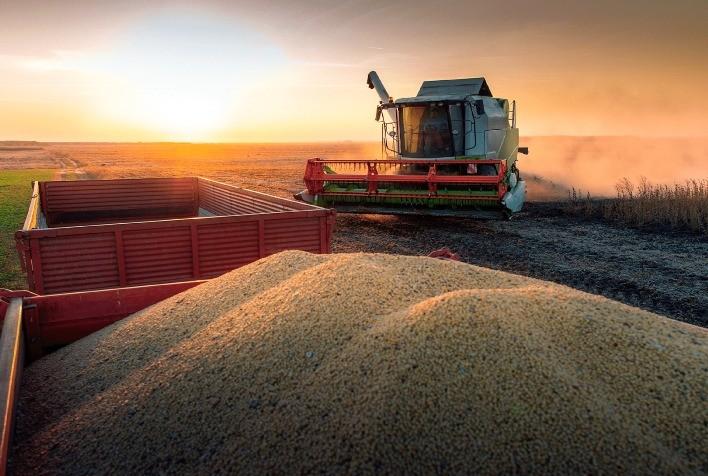
Drying is a delicate technical step aimed at reducing seed moisture content to safe storage levels without causing thermal or mechanical damage. For seed companies, mastering the drying process is essential to preserve the viability and vigor achieved with so much effort in the field.
The use of intermittent-flow or fixed-bed dryers with strict air-temperature control is the norm at modern processing facilities. Excessive temperatures can "cook" the seed embryo, destroying its germination potential, which is why constant monitoring is a golden rule in the industry.
Slow, uniform drying is preferable, as it avoids internal cracks in the seed coat. These microfissures, although invisible to the naked eye, reduce the seed's resistance to handling and make it easier for pathogenic microorganisms to enter, compromising the final quality of the lot.
Innovations such as drying with dehumidified air have been gaining ground, allowing moisture removal at lower temperatures. This technique is especially useful for high-value seed or heat-sensitive species, ensuring exceptional preservation of physiological properties.
By investing in drying technology, seed companies ensure the longevity of their product. Well-dried, stabilized seeds are easier to store and transport, reaching growers with the assurance that every seed carries within it the strength needed for a new, productive crop.
