 EN
EN  PT
PT  ES
ES  ZH
ZH 
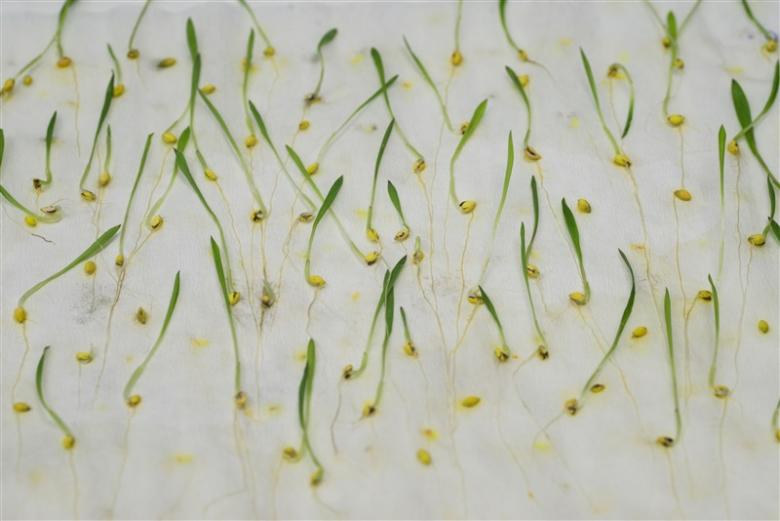
Genetic purity is the foundation on which trust in the seed industry is built. It ensures that desired traits, such as disease resistance and yield potential, are faithfully passed on to the grower's crop, avoiding the presence of unwanted varieties or varietal mixtures.
To maintain high purity standards, seed companies must implement rigorous isolation protocols and equipment cleaning procedures. From the planter to the combine and processing facilities, every stage must be monitored to prevent cross-contamination, preserving the identity of each cultivar produced.
The "roguing" process, or the removal of off-type plants in the field, is a hands-on, essential practice. Trained crews walk the production rows identifying and removing any plant that does not match the variety's standard, ensuring the final lot is genetically uniform and pure.
Genetic purity is also linked to legal compliance and intellectual property protection. Seed companies that operate with transparency and technical rigor value plant breeders' work and ensure that growers receive exactly the technology they paid for, fostering an ethical, professional market.
At the end of the day, genetic purity is what guarantees predictable results in the field. A seed company that values this attribute stands out to the market as a serious partner, committed to delivering excellence and to the technological progress of Brazilian agriculture.
