 EN
EN  PT
PT  ES
ES  ZH
ZH 
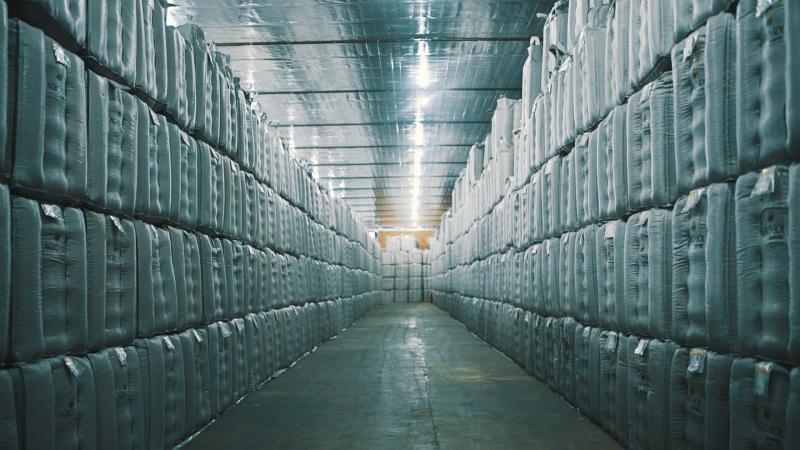
Storage is one of the most critical stages in the seed production chain, especially for soybeans, which are highly sensitive to environmental variation. Maintaining the physiological quality achieved in the field requires strict control of temperature and humidity inside warehouses, preventing premature deterioration of the lot.
Modern dynamic cooling techniques have proven effective at preserving seed vigor over extended periods. By keeping the seed mass at ideal temperatures, generally below 20°C, seed companies can reduce the grain's respiration rate, preserving the energy reserves needed for vigorous germination.
Relative humidity also plays a vital role; if too high, it can favor the growth of storage fungi, while humidity that is too low can cause mechanical damage and loss of viability. The use of automated monitoring systems allows real-time adjustments, ensuring a stable and safe environment.
Beyond environmental control, logistical organization within the warehouse is essential. The use of wooden pallets, proper spacing between stacks, and adequate ventilation prevent heat buildup and facilitate periodic inspection of lots, ensuring seeds reach growers with as much of their original quality as possible.
For seed companies, high-performance storage is synonymous with credibility. Delivering seeds with high germination rates and vigor, even after months in storage, is what sets the market's major players apart and ensures the satisfaction of growers seeking security for their investment.
