 EN
EN  PT
PT  ES
ES  ZH
ZH 
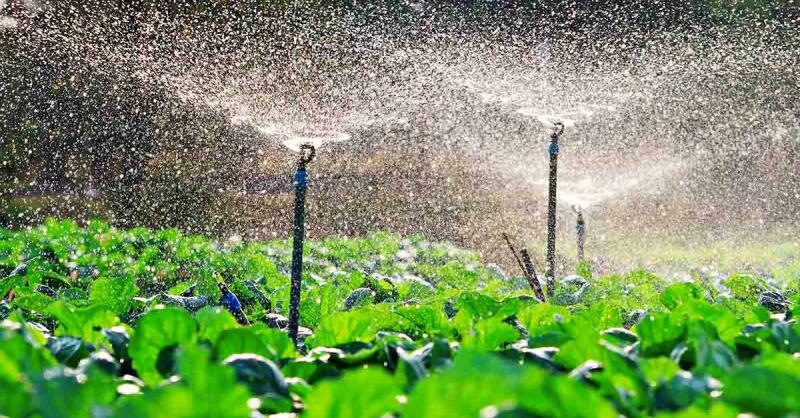
Irrigation is a strategic tool for seed companies looking to eliminate dependence on rainfall and ensure production stability. In seed fields, where the product's value is much higher than that of commercial grain, investment in irrigation systems pays for itself quickly by guaranteeing the crop.
Beyond ensuring the volume produced, irrigation allows much more precise control of soil moisture during critical stages, such as germination and grain filling. This results in more uniform seeds, with better weight and greater reserve accumulation, which translates into superior vigor both in the laboratory and in the field.
The use of smart systems, such as center-pivot irrigation with moisture-sensor monitoring, allows the exact amount of water needed at each stage of the cycle to be applied. This avoids wasting resources and prevents the emergence of diseases favored by excess moisture on leaves and pods.
Irrigation also enables seed production during off-season periods, allowing seed companies to have product available for delivery in different planting windows. This commercial flexibility is a huge advantage in a dynamic, often unpredictable market like Brazilian agribusiness.
For the modern seed company, irrigation is synonymous with security and excellence. By mastering water management, it protects its genetic assets and ensures the quality of its seed shines with the same intensity, regardless of the season's weather variations.
